ART THERAPY
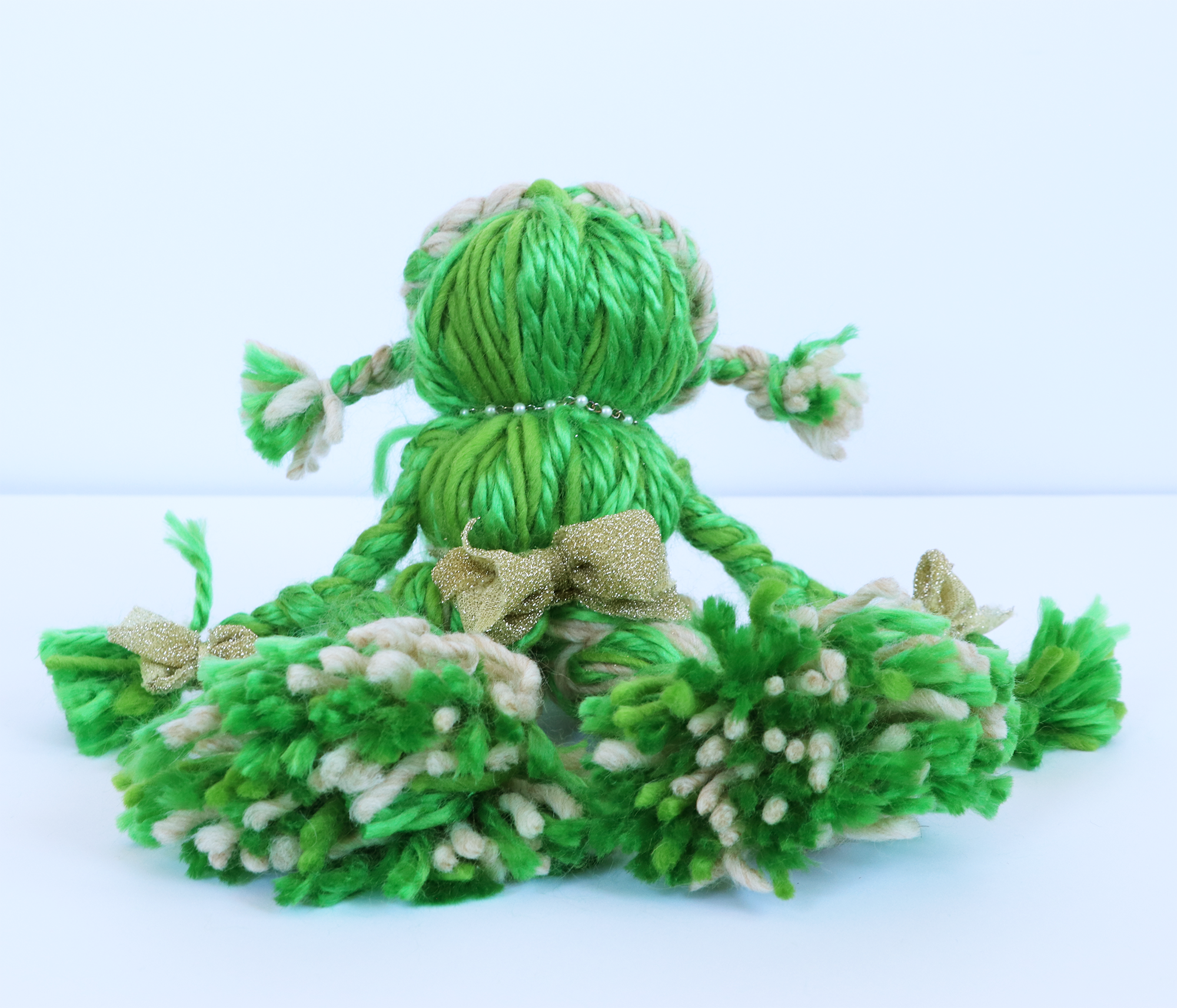
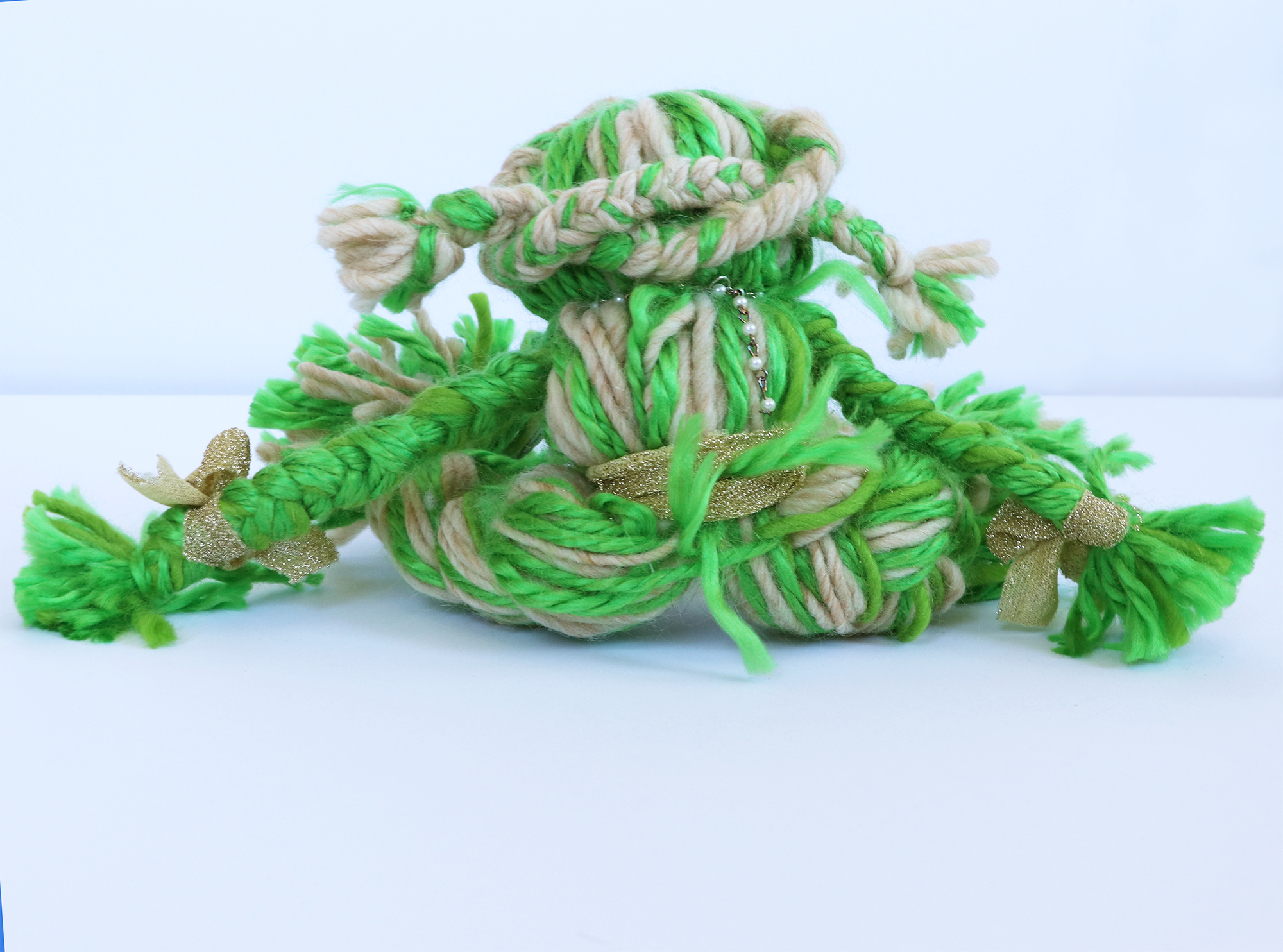
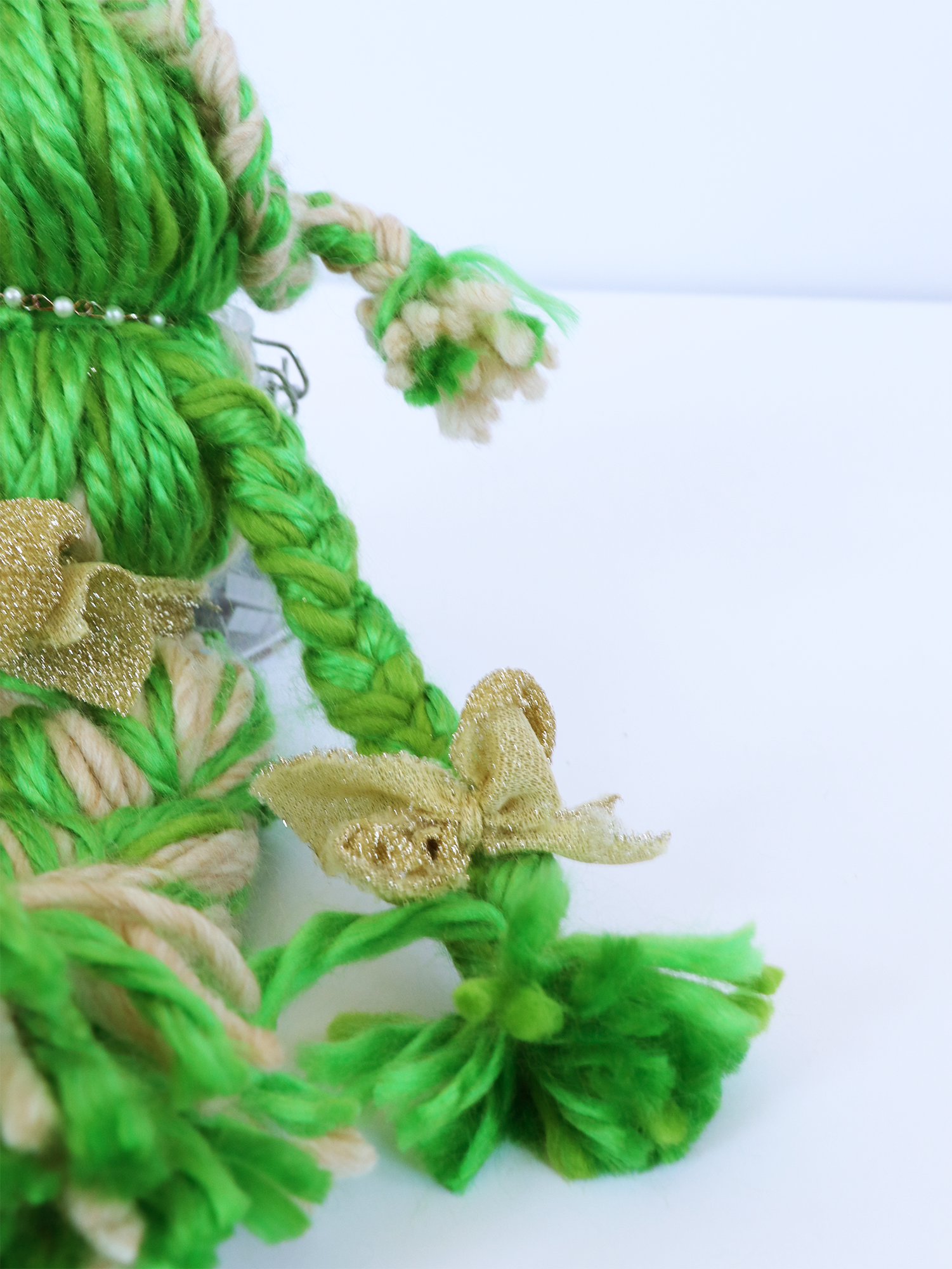
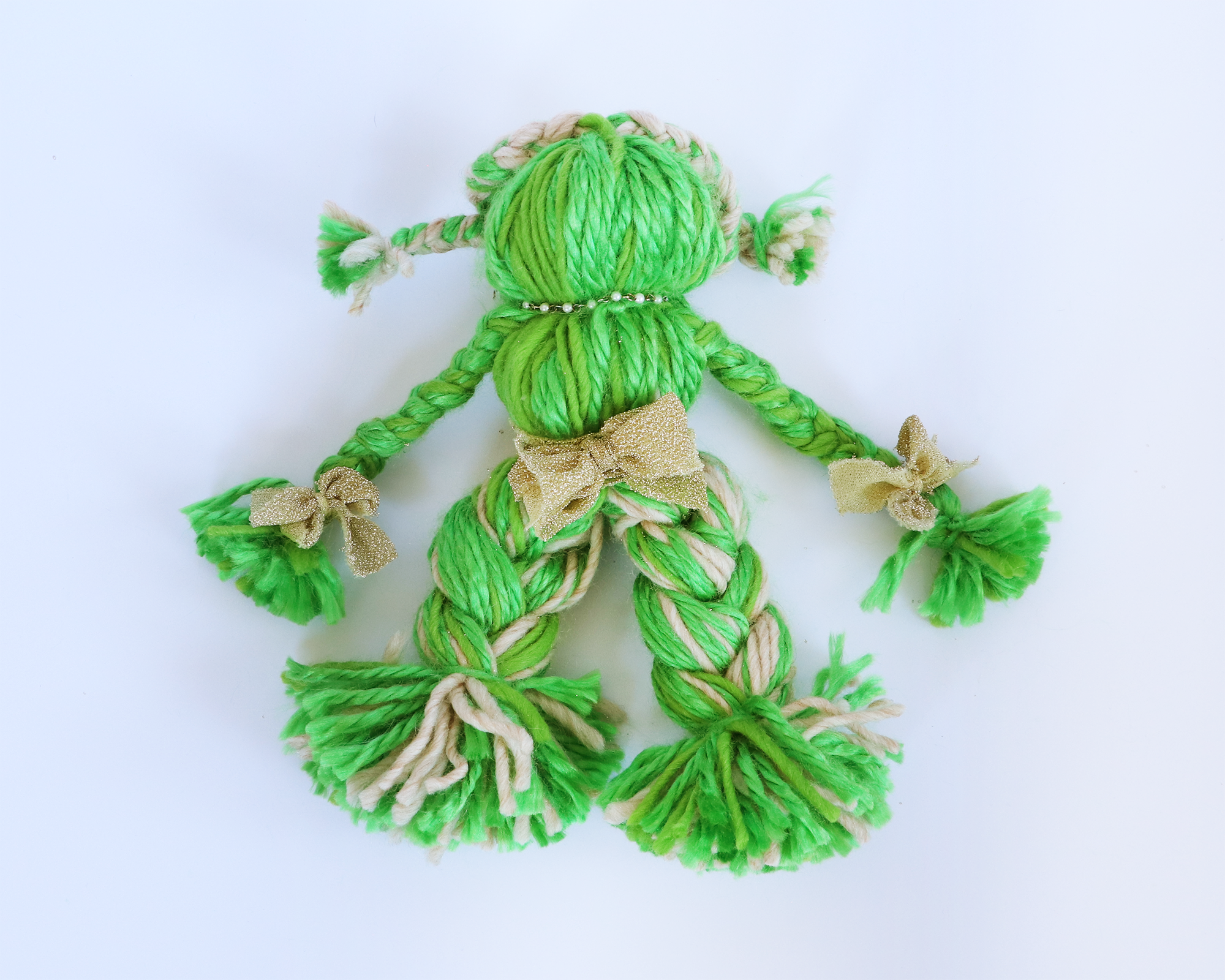
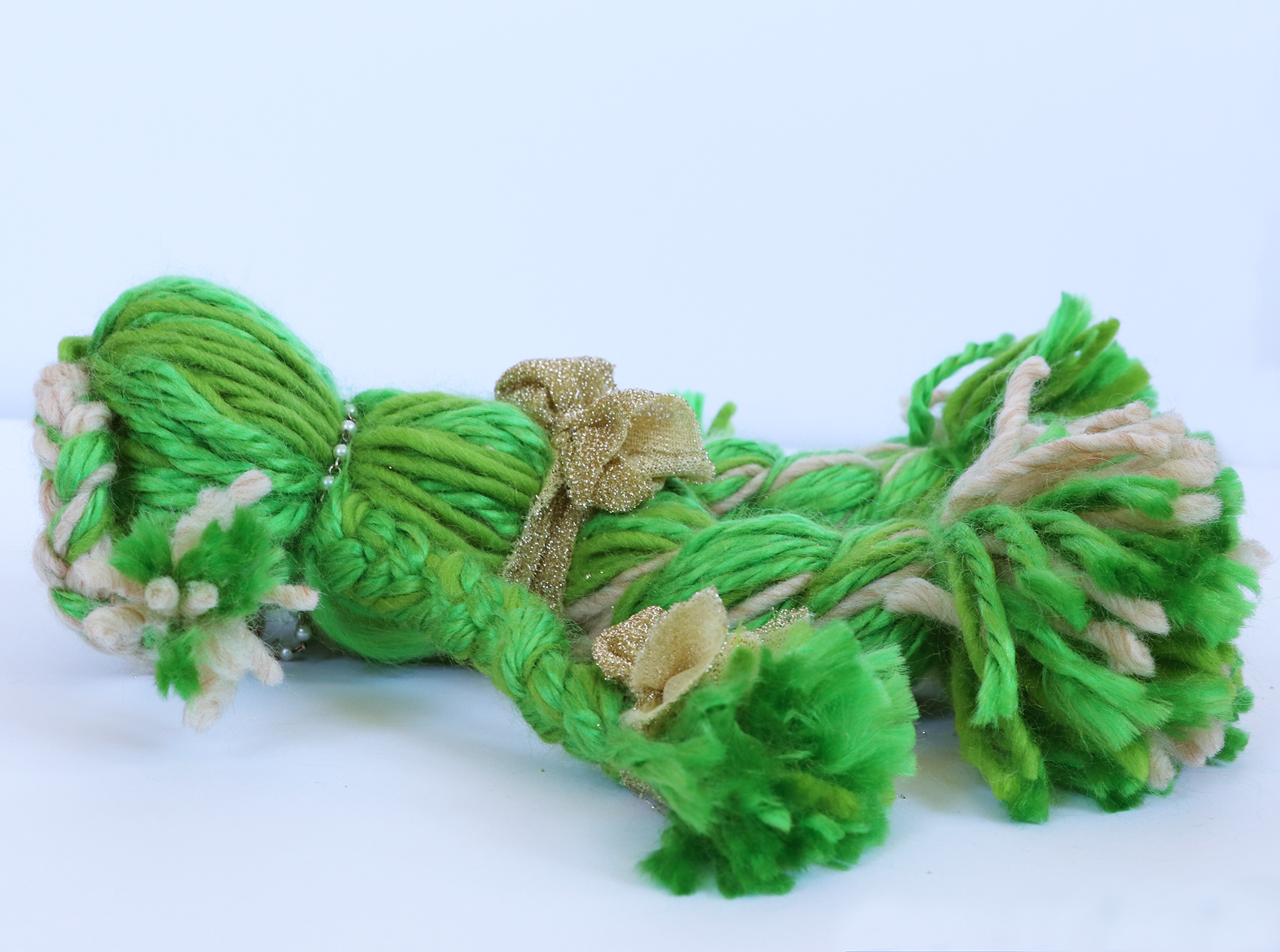
“Faith” • Doll making
Directive: Make the doll you need right now.
Helpful for those with: Anxiety, a sensitivity to regressive, wet materials, a playful spirit
The doll making experience includes repetition of smoothing the yarn, tying it and feeling the friction of the yarn as it is pulled tight into braids. Repetitive movements are known to calm anxiety.
Choosing materials - yarn color, shape of doll, hair, face, buttons, etc. - has the potential to create a connection, as if one is giving birth by creating a fully formed object from single materials. Assigning a name to the doll creates an identity and strengthens the connection.
When it comes to clients who are children, yarn doll making could provide a sense of comfort, especially if they are children in a hospital setting because they are ill or have been badly injured and can’t be in the comfort of their own homes with their families. The softness and extreme ease of the moldable materials create a sense of comfort and ease. The light weight of the yarn contributed to the general feeling of playfulness that naturally emerges. Asking a family member to bring in some materials from the home to incorporate into the doll could prove useful for the child as well.
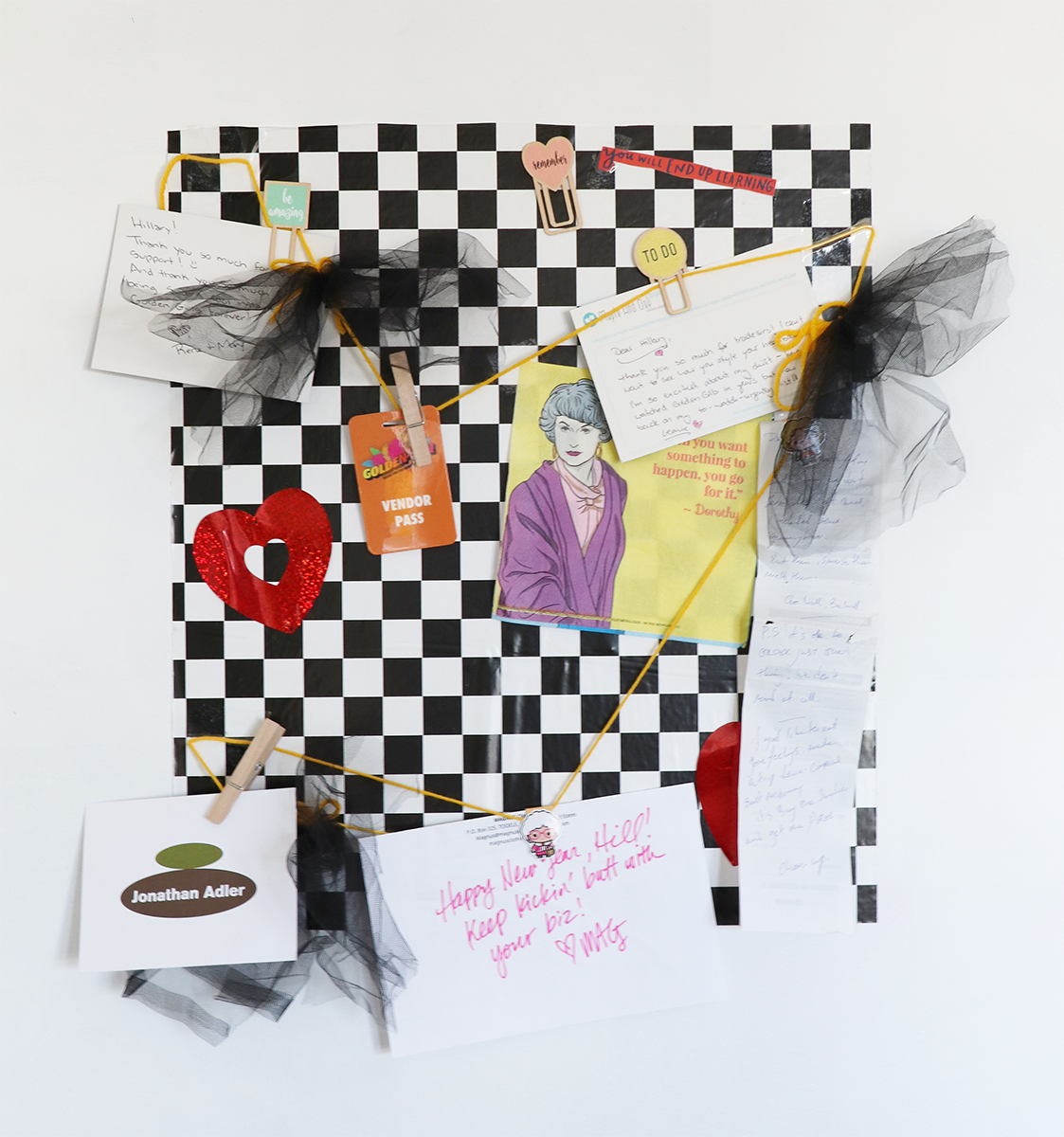


Found objects + recycled items
Directive: Find items around your home that you will recycle by combining and making into new objects.
Helpful for those: who struggle anxiety related disorders like OCD or GAD, who do not have money to spend on new art materials,
This directive provides an opportunity for clients to experiment with materials that are not necessarily organized categorically, and do not have a highly thematic scheme. This can be helpful for those who struggle with anxiety because it challenges them to be uncomfortable while remaining within the safe parameters of the directive, as opposed to facing it in a public setting where the stakes are significantly higher.
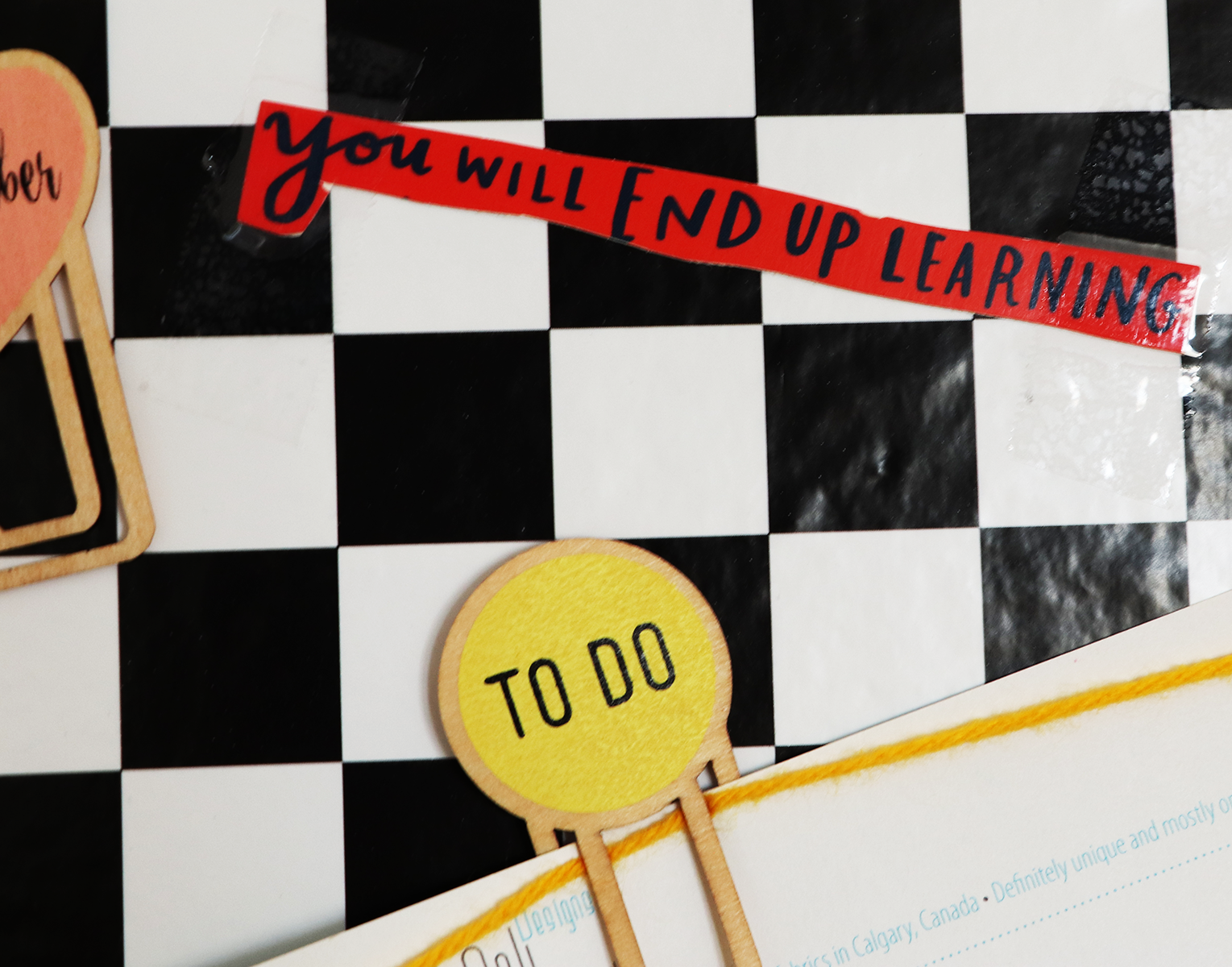
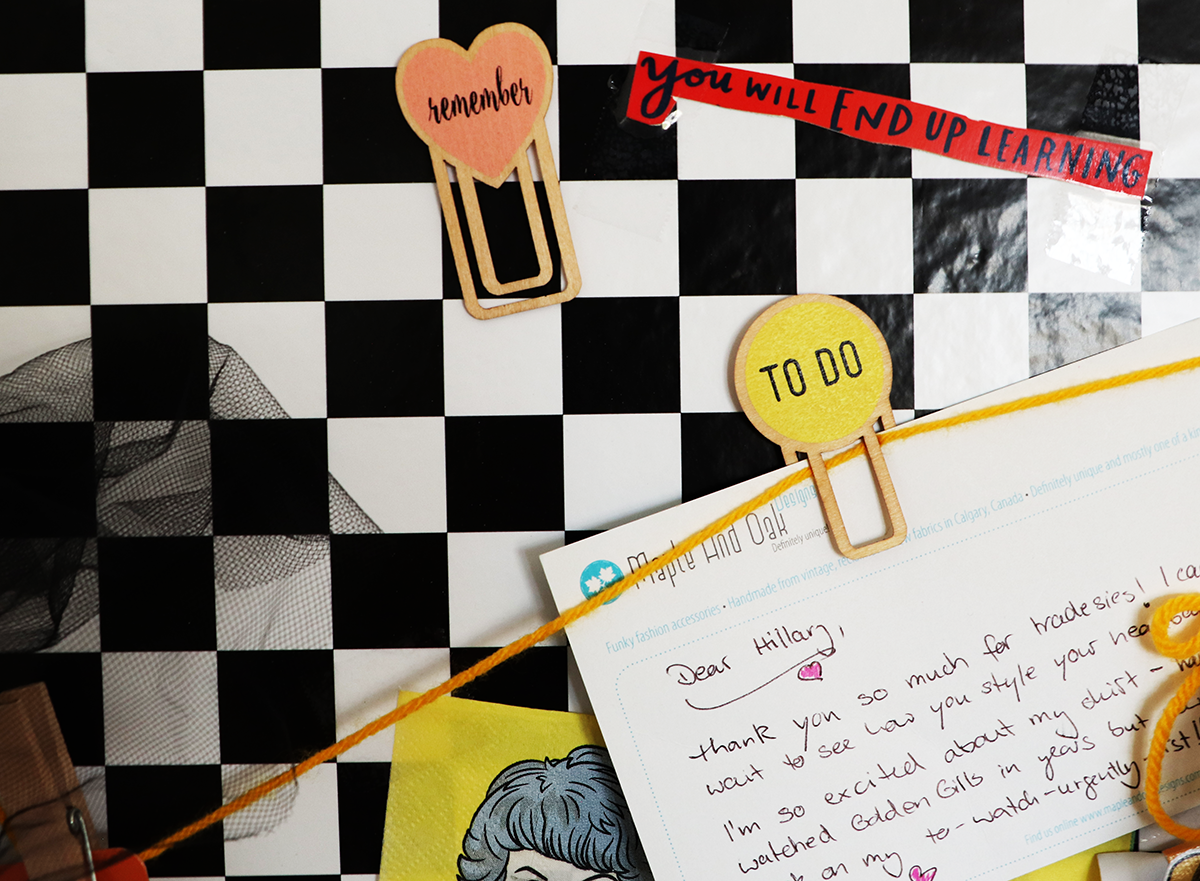
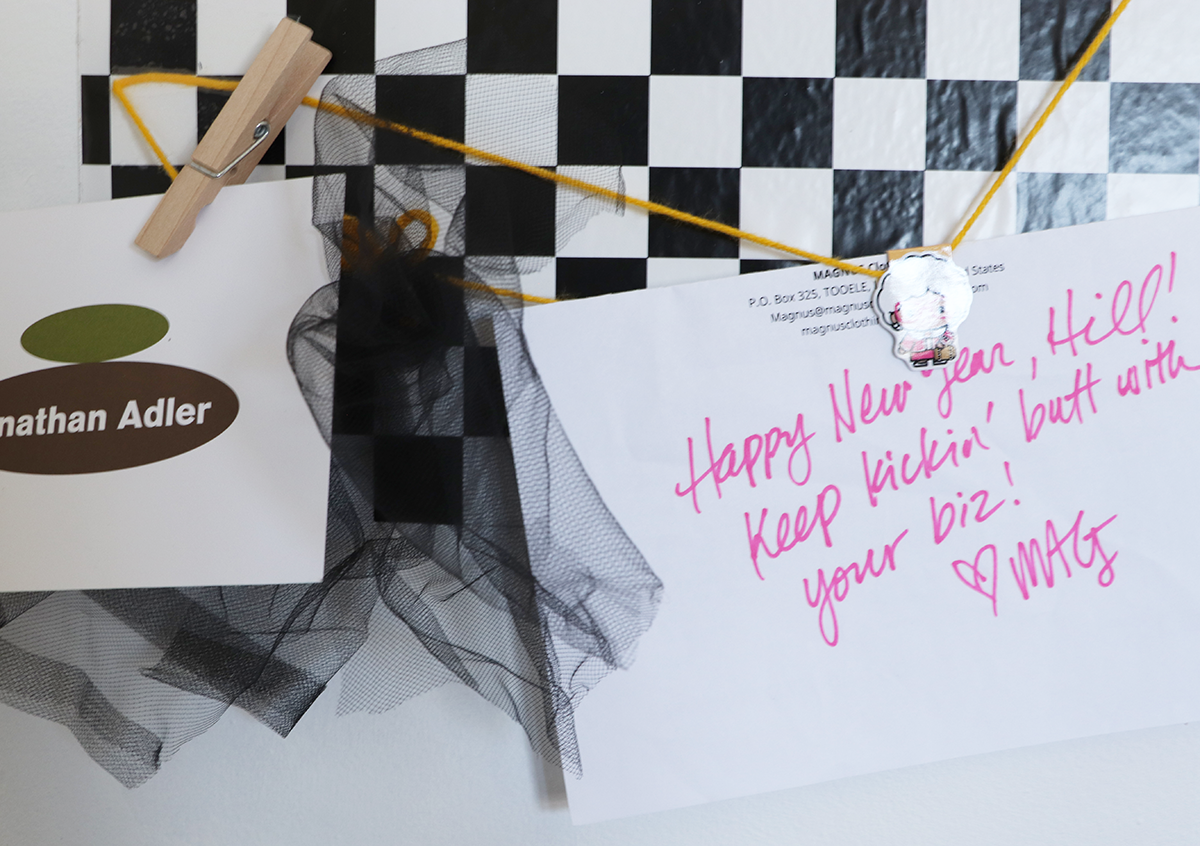
Final product (pictured): A motivation board, with reminders of past accomplishments
Found objects in nature
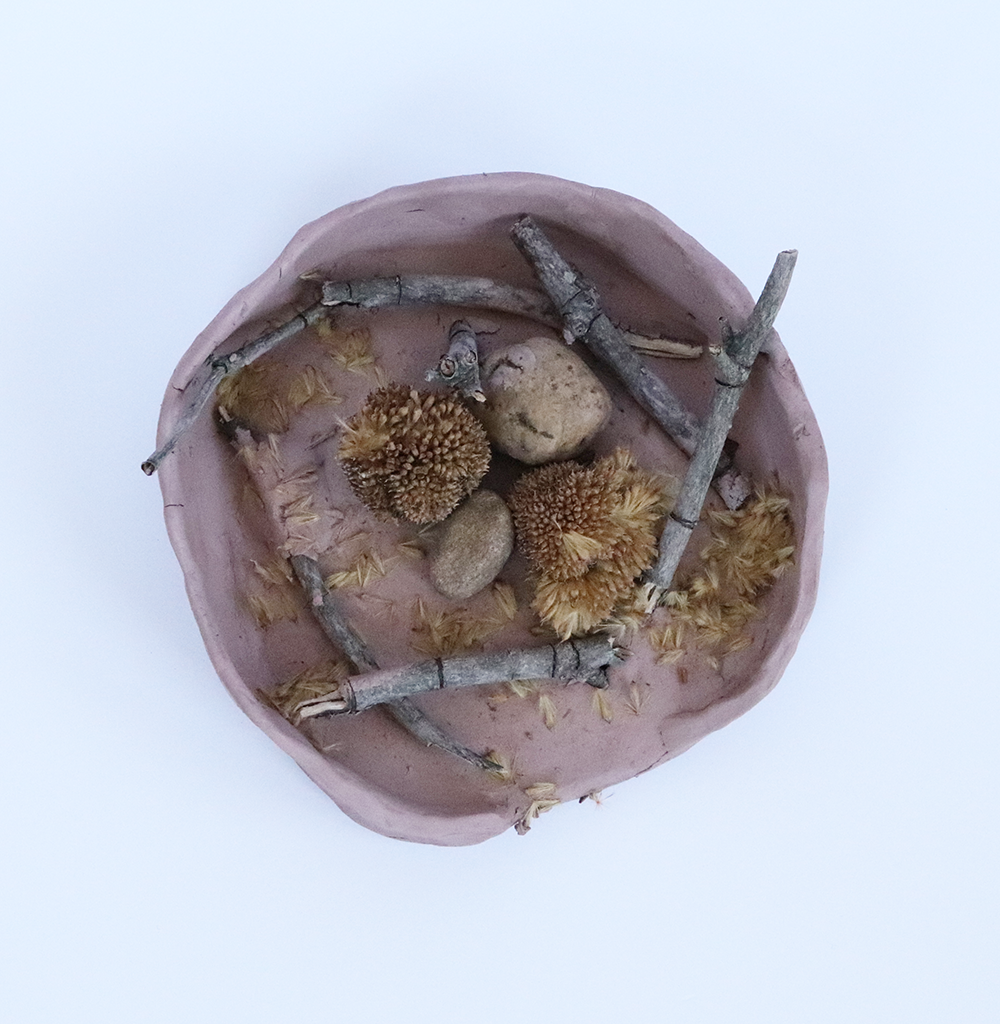
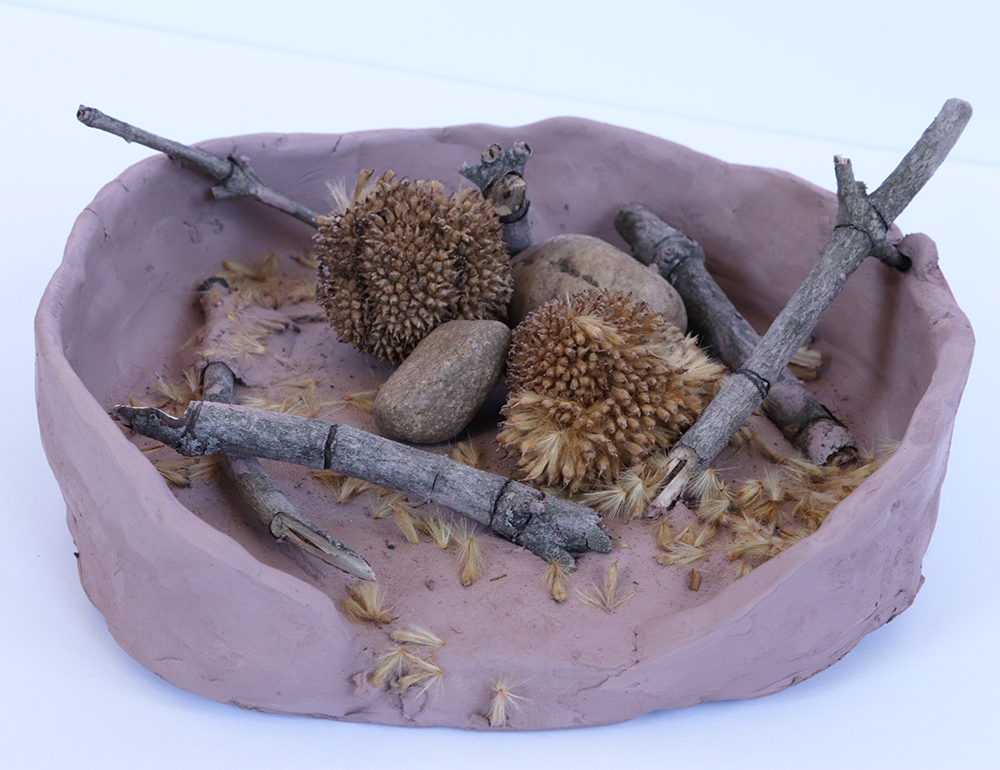
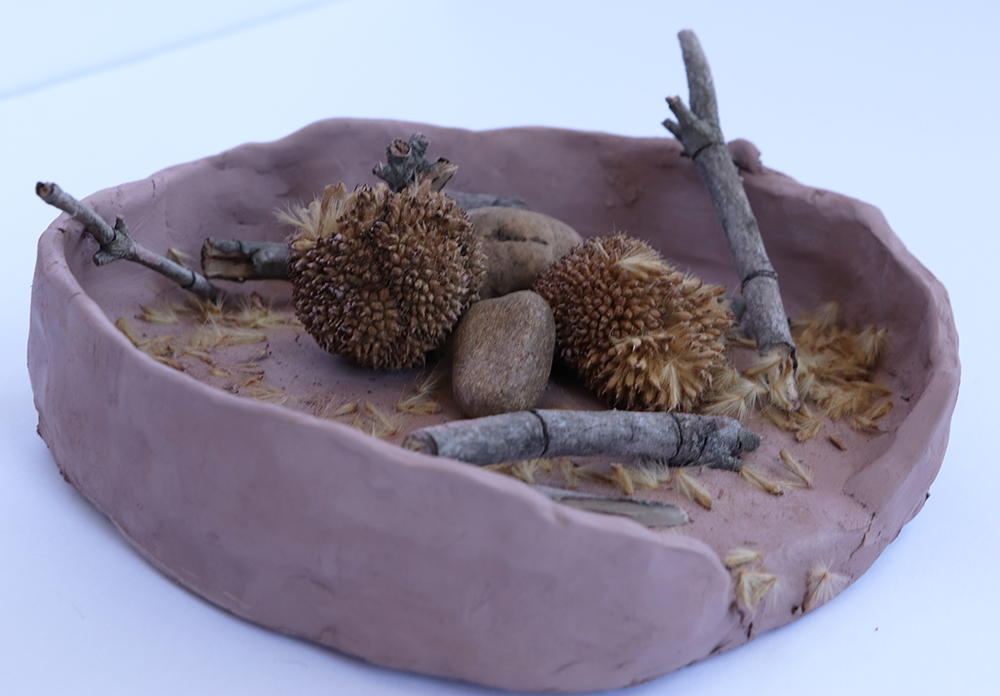
Directive: Create a garden using the clay and your found objects.
Helpful for those with: Anxiety, anger issues, accessibility (to materials depending on where an individual lives)
The repetitive motions of kneading the clay, flattening it out and molding it into desired shapes can be useful in combating anxiety. To help alleviate frustration or anger, clay can be used in a more rough manner by slamming it on the table and attempting to make it flat, or conversely, roughly kneading it and making a baseball out of it.
It’s important that clients know that not all therapy need be completed with materials that are new and expensive. Environmental materials in nature can also provide a therapeutic experience if art therapy is taking place in a location where clients have access only to things found in nature. It’s important to consider what materials are easily accessible to clients when choosing mediums for their therapy.
Of note: Clay may be triggering for those who have experienced sexual abuse, or who are having a challenging time with sexual or intrusive thoughts. The moldability of the clay combined with surface texture mimicking the feeling of bare skin, especially very wet clay, can remind people of unpleasant sexual experiences.